// Photography · 15 June 2024
Shooting Street Photography in Paris
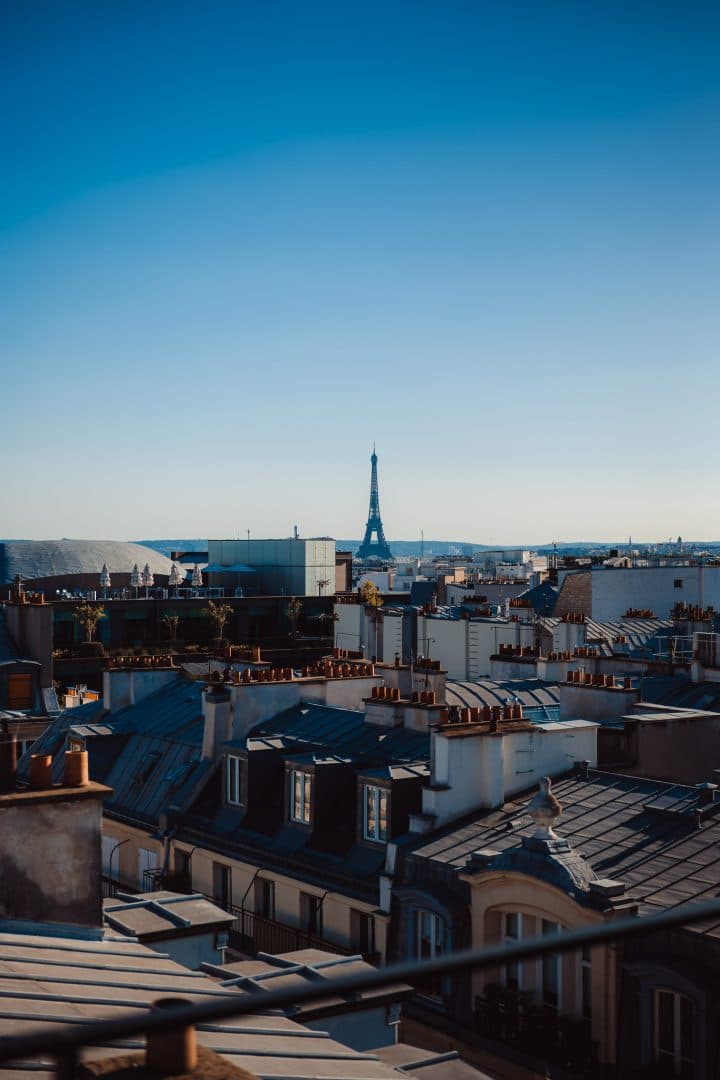
I wasn't supposed to be doing street photography. I was in Paris for a work conference — two days of presentations, agency meetings, dinners that ran too late. The kind of trip where you're in one of the most photogenic cities in the world and you see almost none of it.
But the second afternoon broke early. A few hours, no obligations, no colleagues wanting to go to a tourist spot. I grabbed my camera from the hotel room and just walked.
Looking back now, I'm so glad I did. Those few hours produced some of my favourite shots I've ever taken.
The city that composes itself
Paris is almost unfair for street photography. The Haussmann buildings bounce light in a way that creates this diffuse, even quality that's incredibly forgiving — you're not fighting harsh shadows the way you do in London. The streets themselves feel like they were designed to be framed. Every junction, every café terrace, every bit of peeling paint on a shuttered shopfront.
I had the G9 II with me and the 20-60mm kit lens. Shot mostly between f/5.6 and f/8, ISO 800–3200, walking without much of a plan.
The side streets are where it happens
The obvious lesson — the one everyone knows but still has to learn for themselves — is that the landmarks aren't the point. Every tourist has a shot of the Eiffel Tower. The interesting stuff is in the arrondissements away from the centre, where people are just living their lives and nobody is performing for a camera.
I ended up in the Marais in the late afternoon. Then down towards the canal at Saint-Martin. Then Oberkampf as it was getting dark and the bars were starting to fill up.
I stood in one spot on Rue de Bretagne for about 25 minutes. Just waited. Three of my favourite frames from the whole trip came from that one corner.
The best street photography happens when you stop looking for photographs and start paying attention to people.
Move slowly
This is the thing I always forget and always relearn. Walking fast gets you nowhere interesting. Slow down. Find a spot with something going on — good light, an interesting backdrop, foot traffic — and let the scene come to you.
On a tight schedule in an unfamiliar city, the instinct is to cover ground. To see more. But more ground means more forgettable images. One good corner, properly worked, is worth a kilometre of walking and shooting.
The retrospective bit
I think about that afternoon a lot. Not in a grandiose way — just as a reminder that the best creative opportunities often come in the gaps. The unscheduled bits. The times when the work trip finishes early and you've got three hours and a camera.
I was tired. I nearly just went back to the hotel.
Don't go back to the hotel.
The images from that afternoon are in the photography portfolio.